1 Check the normal status of the instrument
Before using the instrument, follow the steps below to check whether the instrument is working properly.
1.1 In the pulse trigger working state, press the power key, and the main view window of the instrument will be displayed on the LCD screen. The screen will show words and data such as fault distance, wave speed, measurement range, and ratio.
1.2 Press the panel keys, and the movable cursor in the middle of the instrument will move. At this time, the fault distance data will change accordingly.
1.3 Adjust the gain potentiometer, and the amplitude of the waveform displayed on the instrument screen will increase or decrease.
According to the aforementioned range menu operation steps, change the measurement range. The measurement range and transmitted pulse width on the instrument display will change accordingly. At this point, it indicates that the instrument is working normally.
2 Preliminary judgment of fault types
Before testing, it is necessary to analyze the cause and type of the fault. You can use general-purpose instruments such as ohmmeters and megohmmeters, combined with on-site conditions and practical experience, to make a preliminary analysis and judgment.
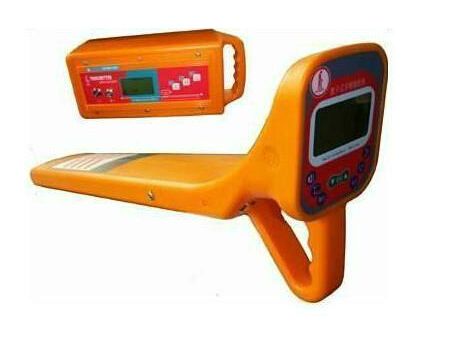
YTC630ACable Fault Tester consists of three parts, used for testing various types of faults in power cables, locating cable paths and burial depths, and daily maintenance management of cable archives.
3 Select the trigger working mode
If it is a disconnection, poor contact, low-resistance grounding, or short-circuit fault, the pulse method should be used. If it is a high-resistance flashover fault in a power cable, the flashover method should be used. And set the trigger working mode selection switch to the corresponding position.